“This sample looks great – but will the whole building look like this?”
This is probably the most common question we hear on limestone facade projects.
Natural variation is normal — uncontrolled variation is not.
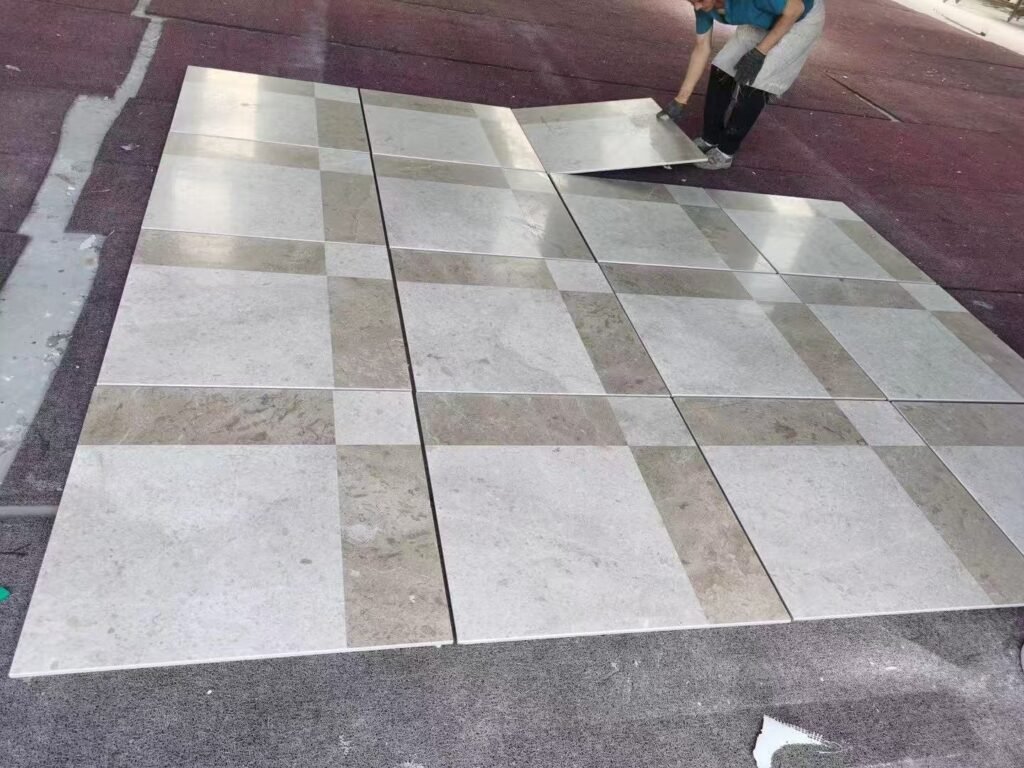
Limestone is a natural material, and variation is inevitable. White, beige, yellow, and grey limestones all contain movement in tone and fossil patterns, more or less. The issue isn’t variation itself — it’s uncontrolled variation.
Managing expectations early
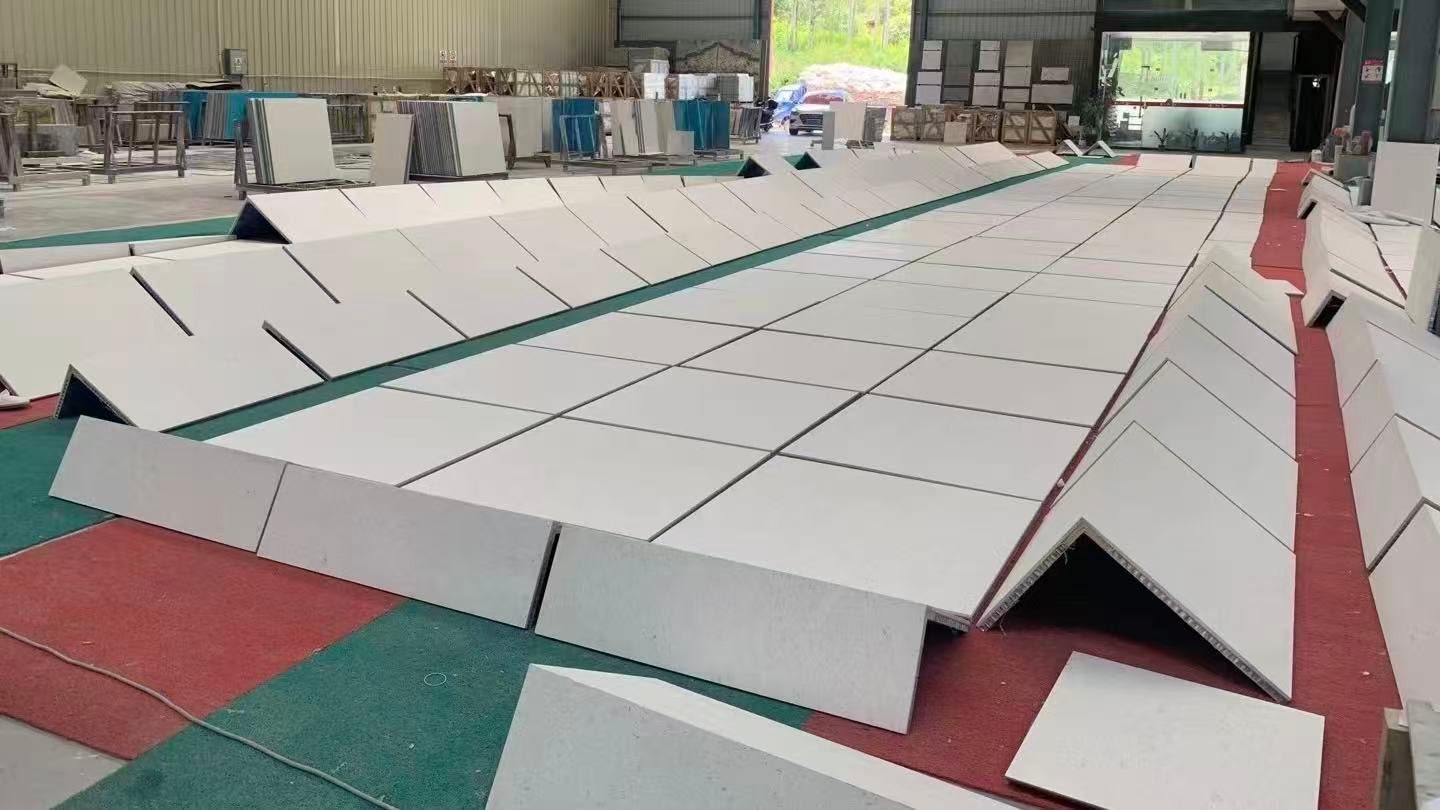
Successful projects start by agreeing on acceptable color ranges early. This includes reviewing slab photos, mock-up panels, and sometimes comparing multiple blocks before production begins.
why mock-ups matter
For larger facades, mock-ups are one of the most effective tools. They allow architects and developers to see how variation reads at scale — long before installation begins.
When color expectations are aligned early, limestone facades become predictable rather than risky.
How We Manage Color in Practice
On large facade projects, we normally:
Review block photos or slab layouts before confirmation
Define acceptable color variation ranges with the client
Prepare mock-ups or sample panels when required
Monitor production batches to maintain consistency
This structured approach helps reduce uncertainty and keeps the built facade aligned with the agreed design intent — not just the initial sample.
About This Series
This article is part of our Limestone Facade Series.
We started writing this series after noticing a pattern: facade problems are rarely caused by limestone itself. They are caused by late decisions, fragmented coordination, and material choices made without structural or climate logic.
Too often, stone is evaluated as a finish. In reality, it behaves as part of the building envelope.
Through this series, we share field-based observations from real international projects — what works, what fails, and what should be discussed earlier.
Our position is simple: Limestone is not risky when it is specified deliberately. It becomes risky when it is treated casually.
If you are evaluating limestone for a facade project, we encourage performance-driven decisions — not sample-driven ones.
— GAEA Stone Team
You may also find these articles in the series useful: