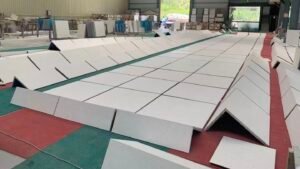
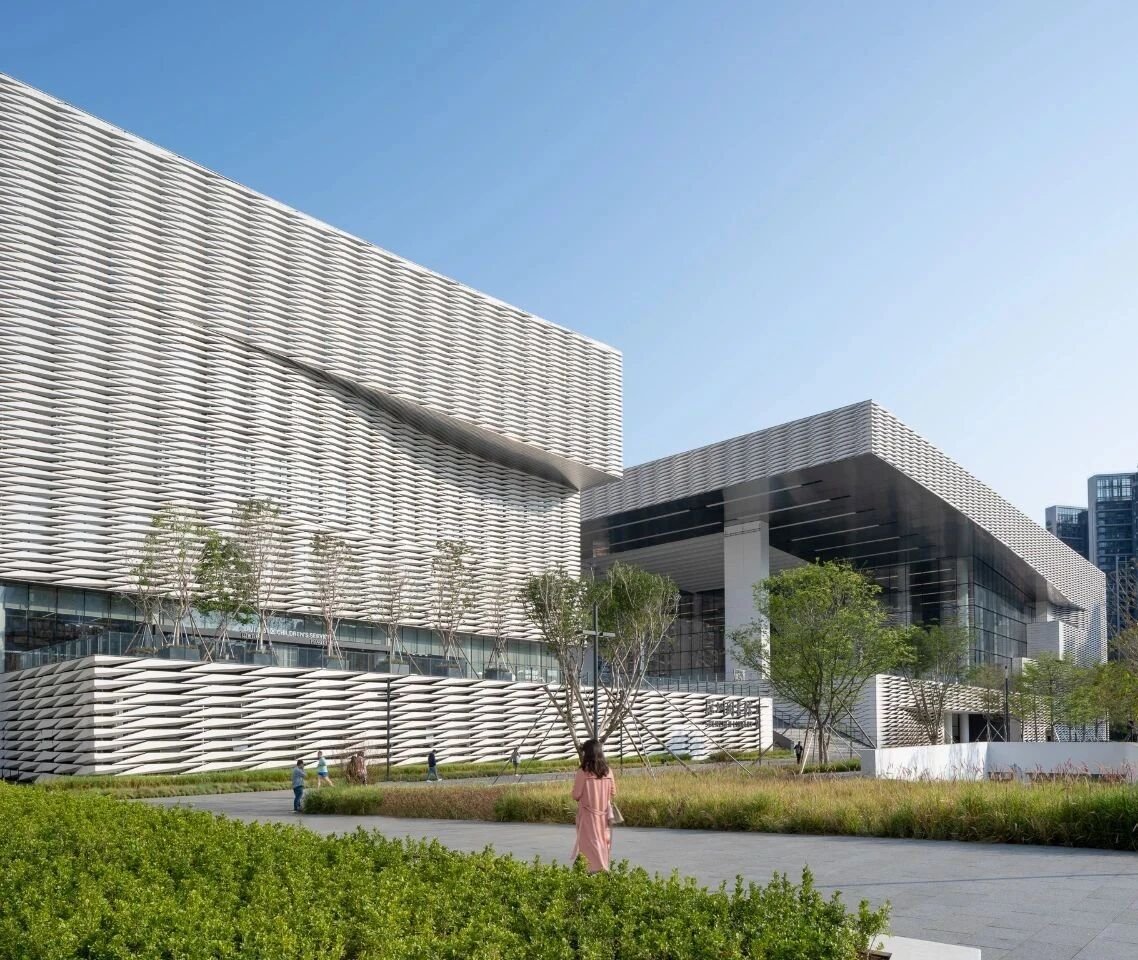

Limestone facade with large-format panels used in contemporary architecture.
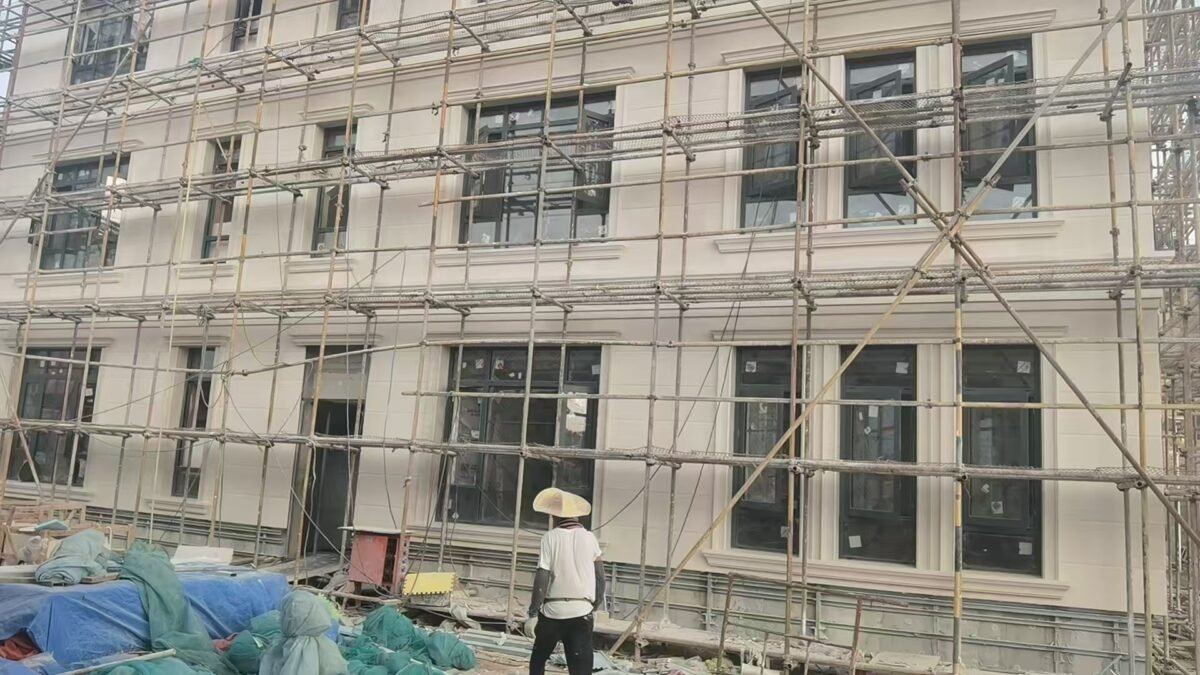
Facade failures are rarely caused by limestone. They are caused by fragmented decisions.
Too often, stone is selected as a visual finish — while anchoring logic, climate exposure, installation sequencing, and maintenance strategy are discussed separately.
But limestone on a facade is not decoration. It is part of the building envelope.
When specified deliberately, limestone becomes one of the most reliable and timeless facade materials available. When treated casually, it becomes a risk.
This series was written from that position.
We work with blocks importers, architects, contractors, and developers across different markets, and we see the same questions appear again and again — not about whether limestone is beautiful, but whether it will perform.
The following articles address those questions directly, based on real project experience rather than theory.

Limestone has been widely used in exterior architecture for its durability and timeless appearance.
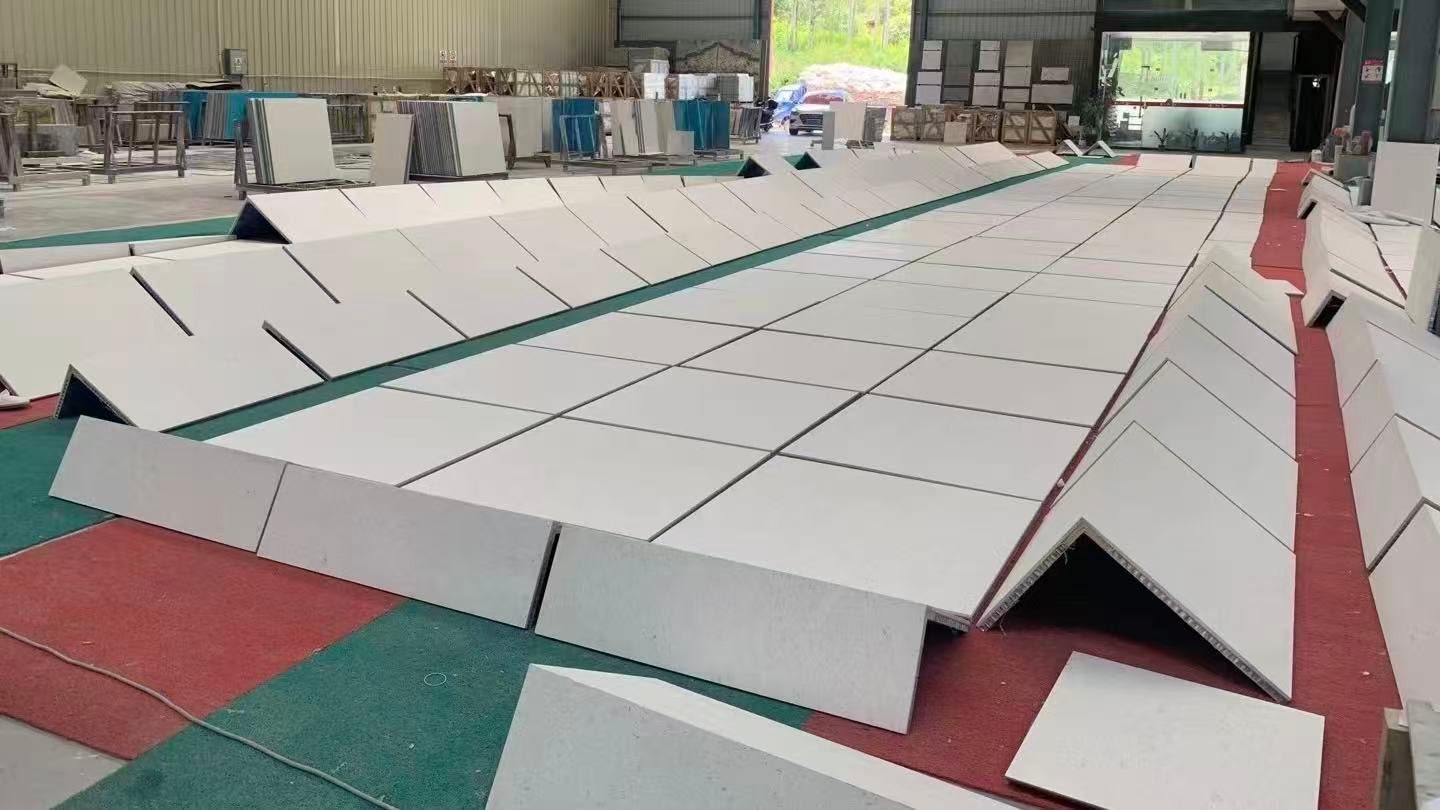
Before specifying limestone, most project teams want to understand the risks: durability, weathering, climate exposure, and long-term performance.
This article explores when limestone works exceptionally well — and when another material might be the smarter choice.

Natural variation in limestone can be managed through block selection and facade mock-ups.
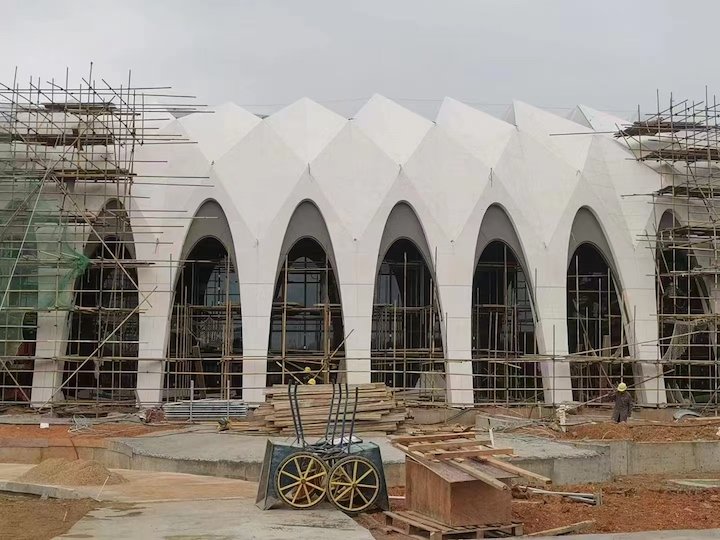
Samples rarely tell the full story.
On large facades, color variation becomes a major concern for architects and developers.
This article explains how variation can be managed early through block selection, mock-ups, and production planning — turning uncertainty into predictability.

Panel sizing and fixing systems play a critical role in facade installation.
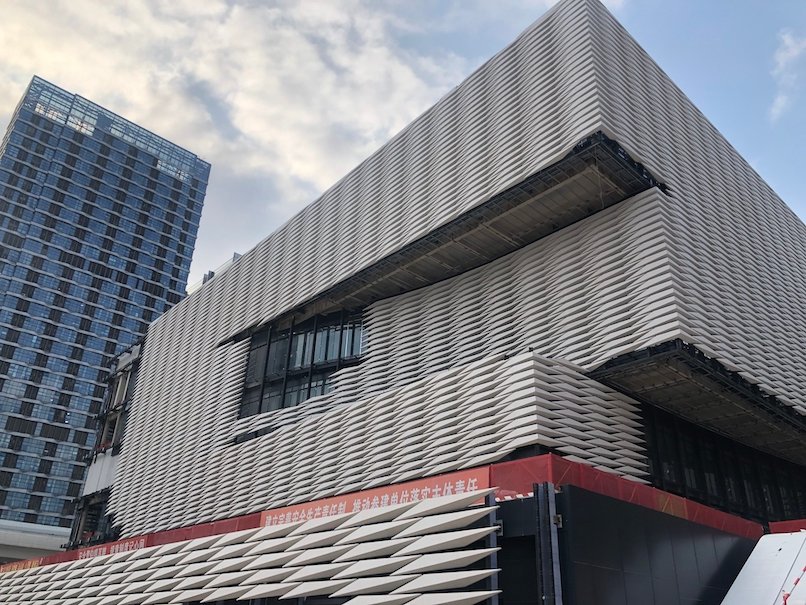
Installation challenges are often blamed on stone quality.
In reality, they usually originate in panel sizing, fixing strategy, or coordination gaps.
This article looks at how early design decisions affect installation efficiency, site risk, and long-term maintenance.

Successful limestone facades result from early coordination between design, stone selection, and installation planning.

Looking back at real facade projects, the pattern is clear: successful limestone facades are designed intentionally. Problematic ones are rushed.
This article shares common issues we’ve been asked to solve — and how early coordination avoids them.
We started writing this series after noticing a pattern: facade problems are rarely caused by limestone itself. They are caused by late decisions, fragmented coordination, and material choices made without structural or climate logic.
Too often, stone is evaluated as a finish. In reality, it behaves as part of the building envelope.
Through this series, we share field-based observations from international projects — what works, what fails, and what should be discussed earlier.
Our position is simple:
Limestone is not risky when it is specified deliberately. It becomes risky when it is treated casually.
In most facade projects, the biggest risks don’t come from the stone itself — they come from decisions made too late.
If you’re evaluating limestone for an upcoming facade, we’re happy to review:
preliminary elevations or facade concepts
panel sizing strategies
climate exposure considerations
or early material directions
Not as a supplier pushing stone — but as a partner helping you avoid problems that are expensive to fix later.
If useful, feel free to share drawings or project details with us.
Email UsFill in the form below to require the certificates you need for your project.
We will reply within 12 hours.