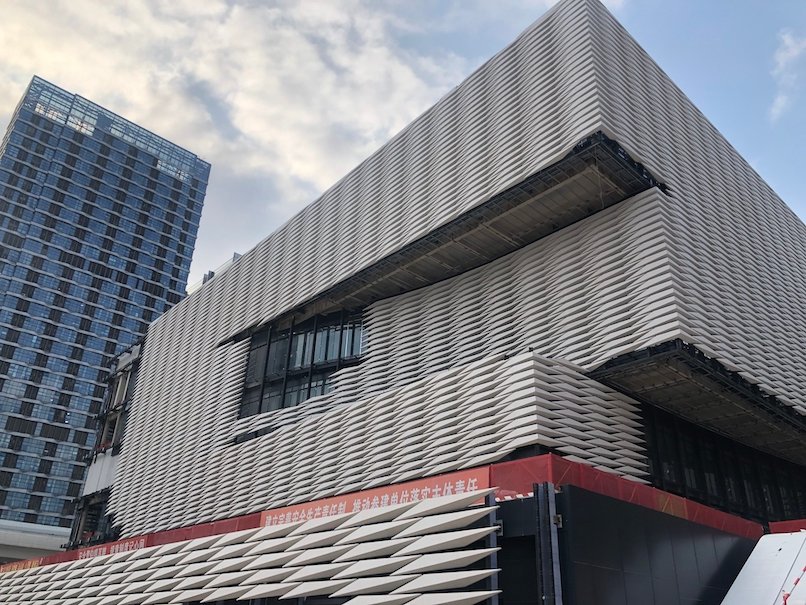
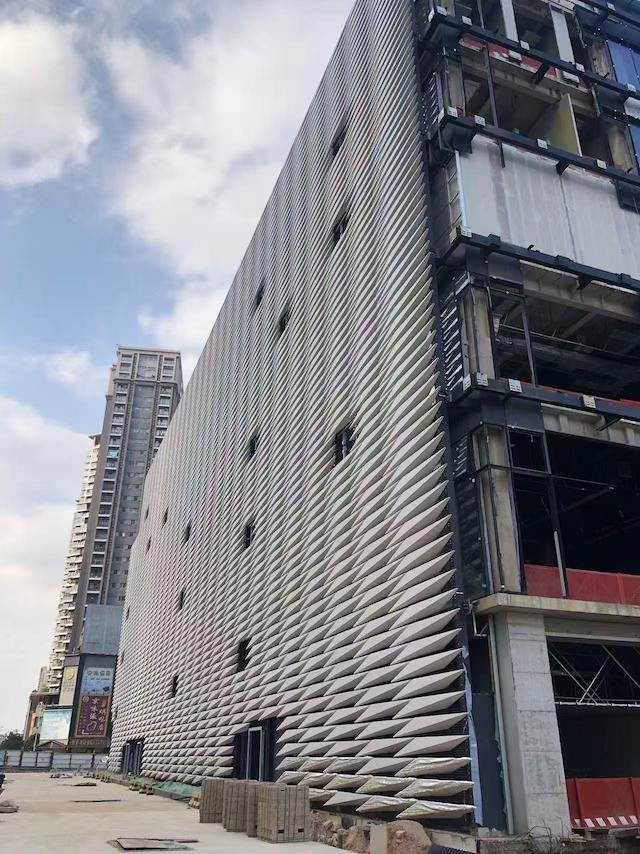
Looking back at completed projects, one pattern is clear: successful limestone facades are designed deliberately. Problematic ones are rushed.
Early coordination makes the difference
Projects run smoothly when stone selection, facade systems, and installation methods are discussed together from the start.
Common issues and how they're avoided
Most problems we’re asked to solve involve late-stage changes: panel resizing, unexpected color concerns, or system adjustments. These issues are usually avoidable with early communication.
The value of experience
Working with partners who understand both material and project coordination helps reduce risk — especially on international projects.
Limestone facades work best when treated as part of the building system, not just a surface finish.
We don’t believe limestone should be specified by trend or by sample alone. When it’s chosen deliberately — with structural logic, climate awareness, and installation strategy aligned — it becomes one of the most timeless facade materials available.
how we support real projects
Across different markets, we support facade projects by:
Assisting with material selection and finish recommendations
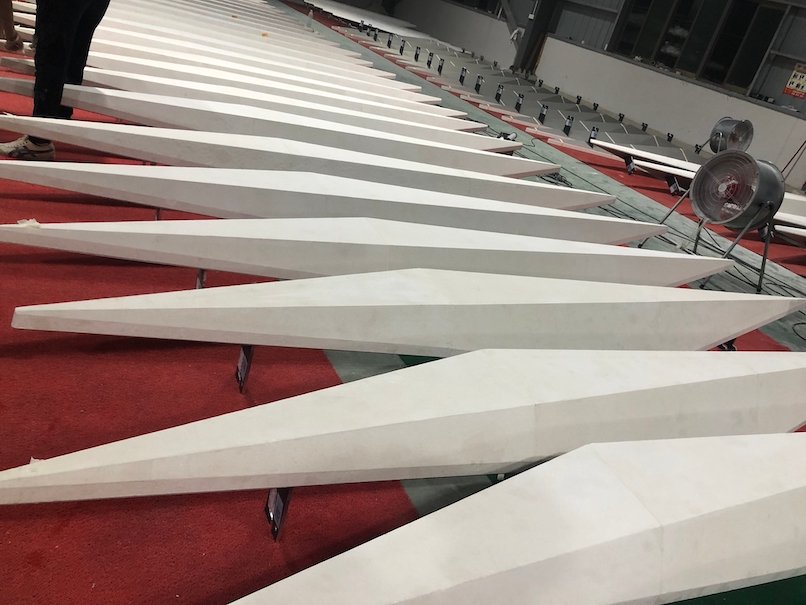
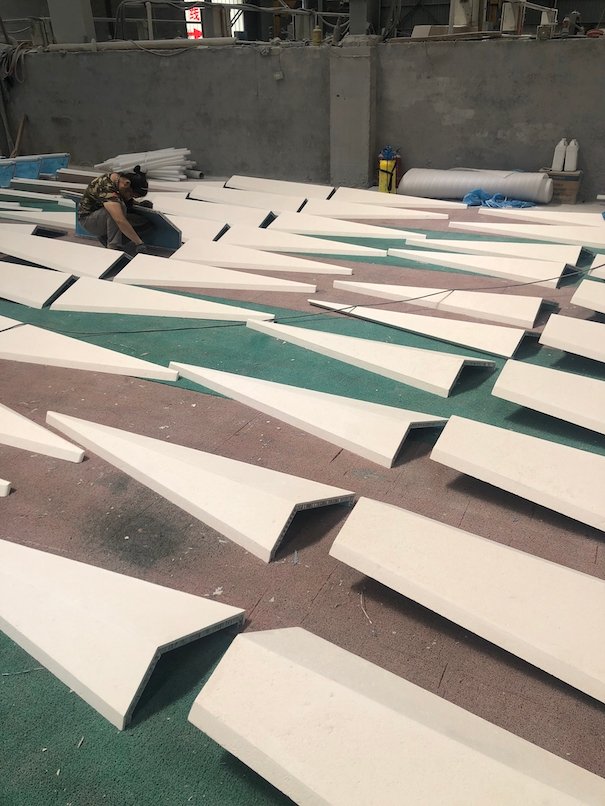
Providing production updates and pre-shipment reviews
Coordinating delivery schedules with site progress
Our role goes beyond supplying stone. We aim to support smoother execution and reduce project risk through early, practical, and transparent coordination.
About This Series
This article is part of our Limestone Facade Series.
We started writing this series after noticing a pattern: facade problems are rarely caused by limestone itself. They are caused by late decisions, fragmented coordination, and material choices made without structural or climate logic.
Too often, stone is evaluated as a finish. In reality, it behaves as part of the building envelope.
Through this series, we share field-based observations from real international projects — what works, what fails, and what should be discussed earlier.
Our position is simple: Limestone is not risky when it is specified deliberately. It becomes risky when it is treated casually.
If you are evaluating limestone for a facade project, we encourage performance-driven decisions — not sample-driven ones.
— GAEA Stone Team
You may also find these articles in the series useful: